Let's be honest — oral hygiene and nasal care aren't exactly the most glamorous topics. Yet they are the unsung heroes of feeling fresh, confident, and downright healthy. Whether you're a floss-averse person, a seasonal allergy sufferer, or someone who simply wants to feel cleaner from the inside out, these two tools deserve a permanent spot in your daily routine.
I only discovered the water flosser through a podcast, but it instantly clicked. I wish my dentist had recommended it years ago. Since using it regularly, I can't imagine being without one — even when I travel. I hardly ever visit a hygienist now, which saves a fortune too.
Why a Water Flosser Might Be Your New Best Friend
We all know flossing is important. Plaque, tartar, gum disease — the list of reasons goes on. But traditional string floss can be awkward, fiddly, and sometimes painful. That's where water flossers come in.
What Is a Water Flosser?
Also called an oral irrigator, a water flosser shoots a focused stream of water between your teeth and along the gum line. Think of it as a tiny pressure washer for your mouth. Unlike regular floss, it:
- Reaches tight spaces, especially useful if you have braces, bridges, or implants
- Massages your gums and promotes better circulation
- Reduces bleeding and gum irritation over time
- Is far easier to use consistently than string floss
Studies show that water flossers can remove up to 99% of plaque from treated areas. Consistency is everything — even the best floss in the world won't help if you skip it.
Practical Tips for Using a Water Flosser
- Start on low pressure — your gums may be sensitive at first
- Angle it correctly — hold the tip at 90 degrees to your gum line
- Use it after brushing — to wash away any leftover debris
- Clean your device regularly — no one likes a mouldy water tank!
Nasal Rinse: Your Sinuses' New Best Friend
If water flossers clean your teeth, a nasal rinse cleans your sinuses. Allergies, dust, pollution, and seasonal bugs can make breathing less than enjoyable. A nasal rinse — a simple solution of salt and water that flushes out your nasal passages — makes a surprisingly big difference.
Why You Should Care
- Clears mucus and allergens — goodbye sneezing fits, hello clear airways
- Reduces the frequency of sinus infections by preventing bacteria build-up
- Moisturises dry nasal passages, perfect for winter months or dry climates
- Supports your immune system by removing irritants before they take hold
How to Use a Nasal Rinse
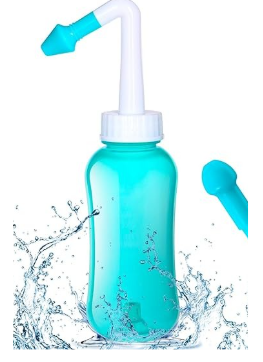
- Choose your device: squeeze bottle, neti pot, or pressurised system
- Always use sterile or distilled water — tap water can contain unsafe microorganisms
- Lean forward, tilt your head, and pour the saline into one nostril so it flows out the other
- Blow gently afterwards — no forceful sneezes
A quick 1–2 minute rinse daily during allergy season can drastically improve breathing comfort. Consistency matters here too.
The Winning Combination
Imagine combining both habits. Your mouth is cleaner, your gums healthier, your sinuses clear of irritants. It's like giving your head a little spa day every single day. Here's why the combination works so well:
- Reduces inflammation — oral and nasal health are connected; less bacteria and mucus means less irritation overall
- Improves sleep — clear sinuses and a healthy mouth help reduce snoring and nighttime disruptions
- Boosts confidence — fresh breath, no congestion, a clear head
Choosing the Right Tools
Water Flossers: Budget models with adjustable pressure are perfectly effective. High-tech versions offer multiple tips and timers. Portable, travel-friendly options are a brilliant investment if you're often away from home.
Nasal Rinse Devices: Neti pots are simple and eco-friendly. Squeeze bottles are easy to control. Electric pressurised systems offer temperature control for extra comfort. The key is choosing something easy enough that you'll actually use it every day.
Making It a Habit
- Start small — use your water flosser 2–3 times a week, nasal rinse once a day
- Pair it with existing habits — floss after brushing, rinse before bed
- Keep devices visible — out on the bathroom counter, not hidden away
- Notice the results — fresher breath, fewer colds, healthier gums
Water flossers and nasal rinses might not be glamorous, but they're quietly life-changing. These are tiny daily acts of self-care that pay off in big ways — and the best part is, both take only a couple of minutes.
Both these tools have genuinely changed my oral and sinus health. I catch fewer colds, my gums no longer bleed, and I breathe so much better. I'd love to know — are you already using either of these? How have they helped you?
Safety note: Always use distilled or sterilised water for nasal rinses. Consult a dentist or doctor if you have chronic gum issues, sinus problems, or medical conditions. This post is for informational purposes only and is not a substitute for professional medical advice.
With love, Gitti ♥