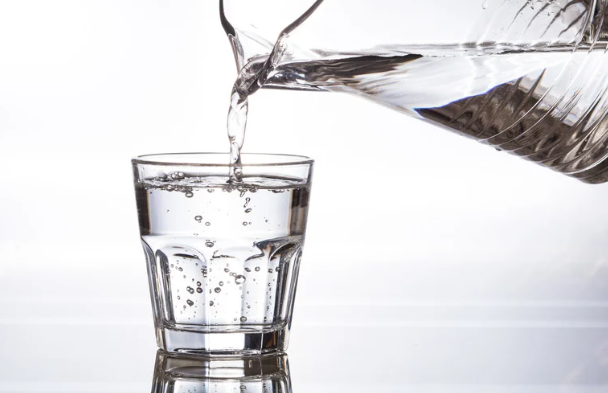
Water is one of the simplest, cheapest, and most powerful health boosters available to us. Yet many of us go through our days running on coffee, tea, or fizzy drinks — and forget the very thing our body is made of. Around 60% of the human body is water, and every single organ relies on it to function properly. From supporting digestion to boosting energy levels, from improving skin health to sharpening mental clarity, drinking enough water is truly a cornerstone of well-being.
"One who doesn't do something for their health every day will have to sacrifice a lot of time for their illness one day." — Sebastian Kneipp, The Water Doctor
Why Water Is Essential
Water is not just about quenching thirst — it's the medium through which almost every biological process in your body takes place. It:
- Transports nutrients and oxygen to your cells
- Flushes out waste products and toxins through urine and sweat
- Regulates temperature, helping you stay cool through sweating and blood circulation
- Lubricates joints, cushioning them during movement
- Supports brain function, keeping concentration and memory sharp
Without adequate hydration, your body simply cannot perform these vital roles. Even mild dehydration can leave you feeling tired, foggy, or irritable.
The Benefits of Drinking Plenty of Water
1. More Energy Throughout the Day
Dehydration is one of the most overlooked causes of fatigue. When your cells don't have enough water, they struggle to produce energy efficiently. That afternoon slump you feel? It might not be hunger or laziness — it could simply be thirst. A glass of water often does more than another cup of coffee.
2. Better Digestion and Less Bloating
Water helps break down food and keeps your digestive system running smoothly. It softens stool, preventing constipation, and supports the production of digestive juices. Ironically, drinking more water also reduces bloating, because dehydration causes your body to hold on to extra fluids as a protective mechanism.
3. Glowing, Clearer Skin
Skin cells need hydration to stay plump and elastic. While water won't erase wrinkles overnight, consistent hydration improves elasticity, reduces dryness, and may help prevent acne by flushing out toxins. Many people notice a visible glow after increasing their water intake.
4. Improved Focus and Mental Clarity
The brain is about 75% water, so even small drops in hydration can impair memory, concentration, and mood. A hydrated brain is a sharper brain — think of it as mental lubrication.
5. Natural Headache Relief
Headaches are often linked to dehydration. If you feel one coming on, drinking water might ease the pain without needing medication.
6. Supports Weight Management
Water is calorie-free, and when consumed before meals, it helps with portion control by creating a natural feeling of fullness. Replacing sugary drinks with water also cuts out hundreds of unnecessary calories per day.
7. Healthy Kidneys and Detoxification
Your kidneys filter about 50 gallons of blood every single day, removing waste through urine. Adequate water intake reduces the risk of kidney stones and supports this cleansing process.
8. Stronger Immune System
Hydration supports lymph production — a fluid in the immune system — ensuring your body can fight off infections more effectively.
9. Better Joint and Muscle Health
Water lubricates joints and tissues, reducing friction. If you're active, hydration also prevents muscle cramps and helps your body recover faster after workouts.
10. A Youthful Boost for the Whole Body
Consistently drinking enough water doesn't just make you feel better — it slows down the wear and tear of cells, making hydration one of the simplest anti-ageing strategies available to us.

How Much Water Do You Really Need?
The classic "8 glasses a day" is a useful guideline, but the real answer depends on several factors:
- Your body size — larger bodies require more water
- Activity level — exercise and physical labour increase needs
- Climate — hot or humid environments mean you'll lose more fluids
- Diet — high-protein, salty, or sugary diets require more water to process
A more tailored approach is the half your body weight in ounces rule. For example, if you weigh 160 pounds (around 73 kg), aim for 80 ounces (about 2.3 litres) of water per day.
But don't overthink it. A simple indicator is your urine colour: pale yellow is ideal, while dark yellow means you need to drink more.
Signs You're Not Drinking Enough
- Constant thirst
- Dry mouth or chapped lips
- Headaches
- Fatigue
- Poor concentration
- Dizziness when standing up
- Dry skin
- Constipation
If these symptoms sound familiar, upping your water intake might be the simplest solution you haven't tried yet.
Practical Tips to Drink More Water
1. Start Your Morning with a Glass
Before coffee or tea, drink a glass of water to wake up your metabolism. Add a squeeze of lemon for extra vitamin C and freshness.
2. Carry a Reusable Bottle Everywhere
When water is accessible, you'll naturally drink more. Keep one at your desk, in your car, and in your bag.
3. Infuse with Flavour
If plain water bores you, add slices of cucumber, berries, citrus, or mint leaves. Herbal teas also count towards hydration.
4. Eat Water-Rich Foods
Cucumber, watermelon, oranges, celery, and strawberries are excellent hydrating snacks. About 20% of your daily fluid intake comes from food.
5. Set Reminders
Use a water-tracking app or set hourly phone reminders. Soon it will become a natural habit.
6. Drink Before You Feel Thirsty
Thirst is already a sign of mild dehydration. Sip regularly rather than waiting until your body signals distress.
7. Pair It with Daily Activities
Make drinking water part of a routine: one glass with every meal, one before brushing your teeth, one after a bathroom break.
Water vs. Other Beverages
While tea, coffee, and juices do contribute to hydration, they often come with caffeine, sugar, or additives. Sugary drinks like soda can even dehydrate in the long run. Alcohol is the worst culprit — it drains fluids from your body, leaving you more dehydrated than before.
That's why water remains the gold standard. It's pure, calorie-free, and exactly what your body craves.
Common Myths About Hydration
"If I drink too much water, I'll gain water weight."
False. Proper hydration actually prevents water retention.
"I only need water when I'm thirsty."
Thirst lags behind hydration needs. By the time you feel thirsty, you're already mildly dehydrated.
"All fluids count equally."
Technically true, but water is the healthiest, cleanest choice compared to sugary or caffeinated drinks.
A Word of Caution
While rare, it is possible to drink too much water, leading to a condition called hyponatremia (low sodium levels in the blood). This usually only happens with extreme overconsumption in a short period — such as endurance athletes overhydrating. For most people, the risk of dehydration is far greater than overhydration.
Making Water a Daily Ritual
Think of water not as a chore, but as an act of self-care. Each sip is a small reminder that you're looking after yourself. Whether you're working at your desk, running errands, or winding down in the evening, hydration is a simple gift that keeps you healthy, energised, and glowing.
Drinking plenty of water is not glamorous. It doesn't promise instant transformation like a new diet or fitness trend. But its effects ripple through every part of your health — body, mind, and skin. It's the cheapest beauty hack, the simplest productivity booster, and the most natural detox method available to us.
In Italy it is custom to get a glass of water with your cappuccino or espresso. So why not make it a habit and do as the Italians do — have a glass of water alongside your tea, coffee, or wine. Your body will thank you with more energy, clearer skin, sharper focus, and overall better health. Start with one extra glass today. It's a small step that creates powerful change.
With love, Gitti ♥