Don't let their tiny size fool you. Seeds are among the most nutrient-dense foods on the planet. Packed with healthy fats, protein, fibre, vitamins, and minerals, they punch well above their weight when it comes to supporting your health. The best part? They're incredibly easy to add to your diet — a sprinkle here, a handful there, and you're done.
I've been adding seeds to my meals for years and the difference to my energy, digestion, and overall wellbeing has been wonderful. Let me share the ones I love most.
Why Seeds Are So Good for You
Seeds are the beginning of life — they contain everything a plant needs to grow. That means they're naturally loaded with:
- Healthy fats — omega-3 and omega-6 essential fatty acids
- Plant-based protein — essential for muscle repair and satiety
- Dietary fibre — for healthy digestion and balanced blood sugar
- Minerals — magnesium, zinc, iron, calcium, and phosphorus
- Antioxidants — protecting your cells from everyday damage
The Best Seeds to Add to Your Diet
Chia Seeds
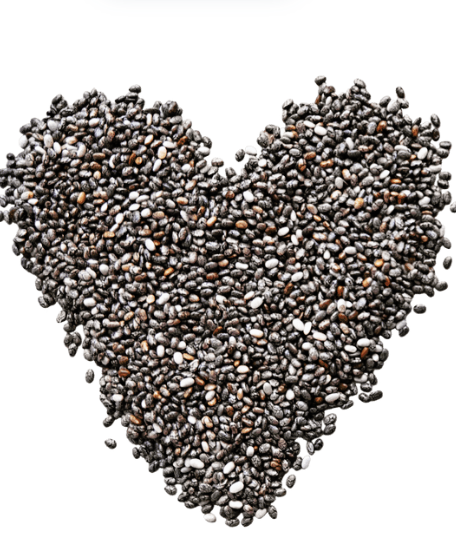
Chia seeds are a superstar. When soaked in liquid, they expand to form a gel-like texture that's incredibly filling. They're rich in omega-3 fatty acids, calcium, and fibre. Stir them into porridge, yoghurt, or make a chia pudding the night before. Two tablespoons a day is all you need.
Flaxseeds (Linseeds)
Flaxseeds are one of the richest plant sources of omega-3s and lignans — powerful antioxidants that support hormonal health. Ground flaxseeds are easier for the body to absorb than whole ones. Add a tablespoon to smoothies, soups, or baked goods. They're also brilliant for digestion and keeping things moving!
Hemp Seeds
Hemp seeds are a complete protein, meaning they contain all nine essential amino acids — rare in the plant world. They have a lovely nutty flavour and are soft enough to sprinkle over salads, granola, or pasta without any preparation. They're also packed with magnesium for relaxation and muscle health.
Pumpkin Seeds
Pumpkin seeds are a fantastic source of zinc — essential for immunity, skin health, and hormone balance. They're also rich in magnesium and tryptophan, which supports better sleep. Enjoy them roasted as a snack, scattered over soups, or mixed into trail mix.
Sunflower Seeds
Rich in vitamin E — a powerful antioxidant for skin and immune health — sunflower seeds are also a great source of selenium and B vitamins. They're wonderfully versatile: eat them raw, roasted, or blend them into a sunflower seed butter as a nut-free alternative to peanut butter.
Sesame Seeds
Sesame seeds are one of the best plant sources of calcium — great news for bone health. They also contain sesamin and sesamolin, compounds that help reduce inflammation and support liver health. Sprinkle them over stir-fries, salads, or toast them and add to hummus.
Seeds are one of those rare foods that are both incredibly nutritious and incredibly easy to use. There's no cooking required — just sprinkle, stir, and go.
How to Easily Add Seeds to Your Daily Diet
- Stir chia or flax into your morning porridge or yoghurt
- Blend hemp seeds into a smoothie for a protein boost
- Sprinkle pumpkin or sunflower seeds over salads and soups
- Add sesame seeds to stir-fries, noodle dishes, or homemade bread
- Mix a handful of seeds into homemade granola or energy balls
- Keep a small jar of mixed seeds on the table as a habit reminder
A Note on Storage
Seeds contain natural oils that can go rancid if stored incorrectly. Keep them in airtight jars away from heat and light — a cool cupboard is ideal. Ground flaxseeds in particular should be stored in the fridge and used within a few weeks. Buy whole flaxseeds and grind them yourself in small batches for the freshest results.
How Much Should You Eat?
You don't need huge amounts to benefit. One to two tablespoons of seeds per day is a great starting point. Variety matters more than quantity — rotating between different seeds throughout the week means you get a wider range of nutrients. Start small if you're new to seeds, as the extra fibre can take some getting used to.
With love, Gitti ♥