
Sitting at a desk all day might sound harmless compared to heavy physical jobs, but office workers know the truth: Back pain is one of the most common complaints in today’s workplace.
From stiff necks to aching lower backs, long hours at a computer can take a serious toll on our bodies. And because the pain creeps in gradually, many people don’t realise how much damage is being done until it becomes chronic.
The good news? With awareness and a few simple changes, you can take control of back pain and prevent it from ruling your workday.
- Why Office Workers Are So Prone to Back Pain
- Prolonged Sitting
- The human body is designed for movement, not for sitting still for 8+ hours. Long periods in a chair put pressure on the spine, tighten hip flexors, and weaken core muscles.
Poor Posture
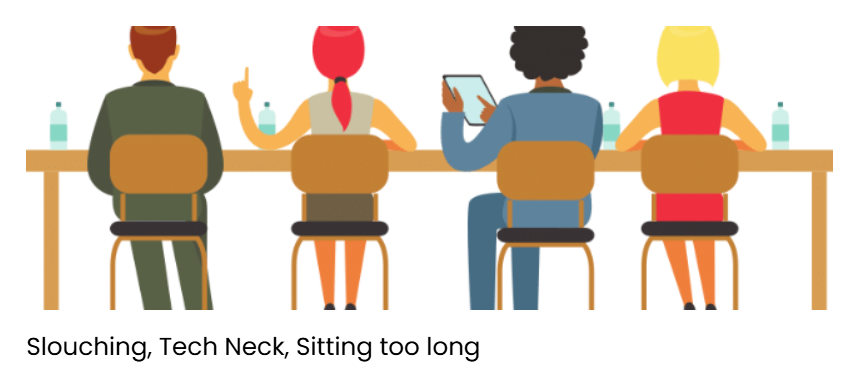
It’s all too easy to slouch forward, crane your neck towards the screen, or perch on the edge of your chair. Over time, these habits strain the spine and surrounding muscles.
Bad Desk Setup
A screen that’s too low, a chair without support, or a desk that’s the wrong height — all can lead to misalignment and discomfort.
Stress
Tight deadlines, long hours, and workplace pressure increase muscle tension, especially in the shoulders and neck. Stress and posture issues often go hand in hand.
Lack of Movement
Without regular breaks, circulation slows, muscles stiffen, and joints become less mobile. Even a quick stretch every hour can make a huge difference.
- The Cost of Ignoring Back Pain
- Back pain is more than an inconvenience. For office workers, it can mean:
Reduced productivity
Trouble concentrating
Poor sleep
Mood swings and irritability
In severe cases, time off work and medical treatment
Ignoring it won’t make it go away. Prevention and small daily changes are key.
- Practical Fixes for Office Back Pain
- Optimise Your Desk Setup
- Think ergonomics. A good setup supports your body rather than fights it.
Screen: Eye level, about an arm’s length away
Chair: Adjustable with lumbar support; hips slightly higher than knees
Feet: Flat on the floor (or on a footrest)
Keyboard & Mouse: Close to your body, elbows at a 90-degree angle
A few minutes spent adjusting your space can save years of discomfort.
Follow the 30-Minute Rule
No posture is perfect if you hold it too long. Try this:
Every 30 minutes, stand up, stretch, or walk for 2 minutes
Set a phone reminder or use a desk timer
Even a quick refill of your water bottle counts
Strengthen Your Core
A strong core stabilises the spine. You don’t need hours at the gym — just a few minutes daily:
Pelvic tilts (lying down, flattening your back gently into the floor)
Bridges (lift hips while lying on your back)
Bird-dog (on all fours, extend opposite arm and leg)
Plank holds (start short, build gradually)
Stretch Out the Tension
Quick stretches you can do right at your desk:
Neck rolls: Gently circle your head
Shoulder shrugs: Lift shoulders up and release
Chest opener: Clasp hands behind your back and stretch
Seated twist: Place hand on the back of your chair and turn gently
These keep muscles supple and prevent stiffness.
I need to let you know about a great stretching app I started using recently and wow, it really works wonders. It’s called Bend and no, I don’t get a penny for promoting it, but it’s really good.
The Bend App
Try Standing or Walking Meetings
Whenever possible, suggest a walking meeting or use a standing desk for part of the day. Movement fuels creativity and gives your back a break.
Manage Stress
Because stress and tension feed into physical pain:
Take short breathing breaks
Try mindfulness or meditation apps
Use the “Tarzan fist” energy boost — a gentle thump on your chest to release tension and reset focus. I wrote a great blog on that topic and it truly works.
Use Heat or Cold for Relief
Heat (hot water bottle, heat pad) relaxes tight muscles
Cold (ice pack) helps with inflammation
Choose whichever feels best for your situation.
Consider Complementary Therapies
Gentle approaches like Dorn Method self-help, yoga, Pilates, or massage therapy can make a huge difference when added to your weekly routine.
- Building Healthy Daily Habits
- Morning movement: A few stretches before work sets the tone
Hydration: Drinking water regularly encourages natural breaks
Evening unwind: Switch off screens and relax with gentle stretches before bed
Consistency matters more than intensity.
When to Seek Professional Help If back pain is persistent, worsening, or comes with symptoms like numbness or weakness, it’s important to see a doctor or physiotherapist. Don’t wait until the problem becomes severe.
🌿PracticalGitti Thoughts Office work might be “sedentary,” but it can be just as tough on the body as physical labour - just in different ways. The key is awareness. By making small adjustments to your desk, moving regularly, and building simple habits into your day, you can protect your back and keep pain from taking over your life.
Your body is your most valuable work tool. Take care of it, and it will take care of you.
Disclaimer: This blog shares general tips and self-help strategies. It is not medical advice. Please consult a qualified professional for persistent or severe back pain.
A FREE eBook to download here has been created for you.
FREE Back Pain Guide
With love, Gitti ♥