Being a mum is one of the most rewarding roles in the world, but let’s be honest: it’s also physically demanding. From lifting toddlers onto your hip, to bending over endless laundry baskets, to hunching at a laptop late at night — mums often put their backs under constant strain without even realising it.
Back pain has become almost a silent epidemic among busy mothers. For some it starts during pregnancy, for others it sneaks up after years of juggling children, household tasks, and work. The result? Aching muscles, stiff necks, and the feeling that you’re far older than you actually are.
The good news: with the right awareness and a few practical habits, back pain doesn’t have to rule your life. Let’s explore why mums are especially prone to these problems, and what you can do to ease, prevent, and manage back pain — even in the chaos of family life.
- Why Mums Experience Back Pain
- The Physical Demands of Motherhood
- Caring for children is essentially a full-time workout. You’re constantly lifting, twisting, and bending — often in awkward positions. Think about:
Lifting a toddler out of a car seat
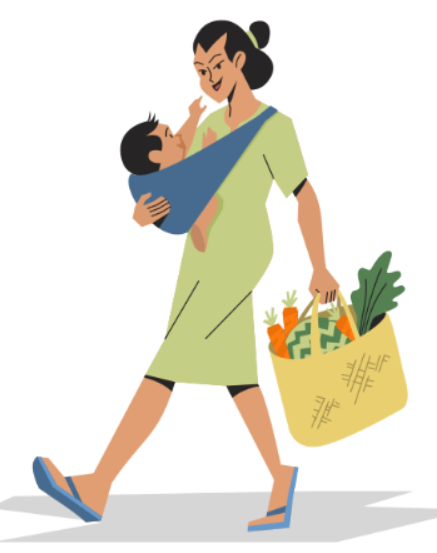
Carrying shopping bags while balancing a baby carrier
Crawling on the floor to tidy toys
These repetitive movements put pressure on the spine, especially the lower back and shoulders.
Pregnancy and Postpartum (after birth) Changes
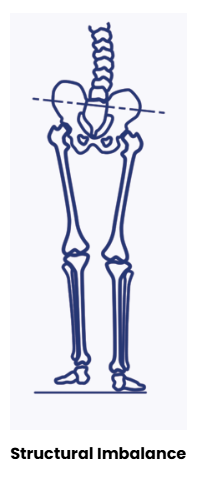
Pregnancy naturally shifts posture and alignment. Hormones loosen ligaments, abdominal muscles stretch, and the spine adapts to a growing bump. Even after giving birth, those changes don’t magically disappear. Weak core muscles, pelvic floor imbalances, and scar tissue (from C-sections, for example) can all contribute to long-term aches.
Lack of Self-Care
Many mums put themselves last. Between kids, work, and household responsibilities, there’s little time left for stretching, exercise, or rest. Over time, tension builds up, and the body starts to complain.
The Stress Factor
Back pain isn’t always purely physical. Stress, worry, and emotional overload can tighten muscles and amplify pain. Mums who are “always on” often carry stress in their shoulders and neck.
- Everyday Habits That Make Back Pain Worse
- Bending from the waist instead of the knees when picking up children
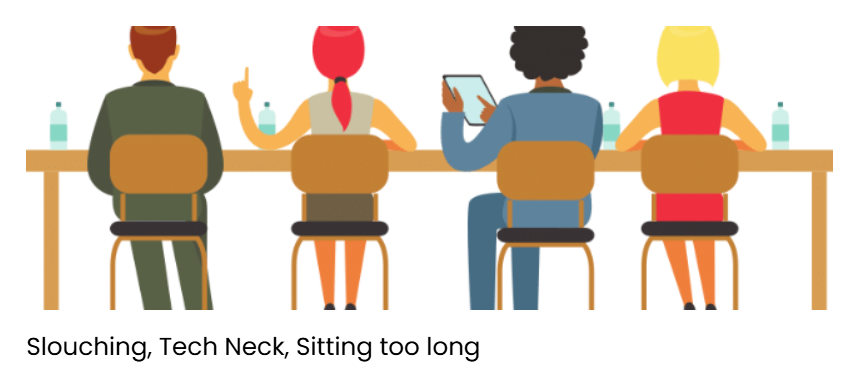
Hunching over phones or laptops (tech neck)
Sleeping awkwardly due to co-sleeping, breastfeeding positions, or lack of supportive pillows
Carrying heavy bags stuffed with snacks, wipes, and everything “just in case.”
The truth is, small habits add up. The good news? They can also be unlearned.
- Simple Self-Help Strategies for Busy Mums
- Learn the “Baby Squat”
- Instead of bending at the waist, squat down when picking up toys, babies, or bags. Keep your back straight, engage your core, and use your legs - they’re much stronger than your spine.
Using the ‘Baby squat’ when bending down
Strengthen Your Core
A strong core protects the back. You don’t need hours at the gym - just 5–10 minutes daily:
Gentle pelvic tilts
Bridge pose
Bird-dog exercise
Side planks
These can be done in your living room while the kids play.
Stretch Little and Often
Quick stretches between chores can work wonders:
Roll your shoulders backwards
Stretch your arms overhead
Do gentle side bends
Twist slowly left and right to loosen the spine
Tip: Set a timer on your phone as a reminder to get up and stretch every hour.
Make Carrying Easier
Use a supportive baby carrier or sling that spreads weight evenly
Switch sides regularly if you carry children on your hip
Lighten your handbag or backpack - do you really need everything in there?
Posture Check at Work (and Home Office)
If you’re a working mum, sitting at a desk can be as damaging as lifting. Adjust your setup:
Screen at eye level
Feet flat on the floor
Lower back supported by a cushion
And remember: no posture is good if you hold it for too long. Move often.
The Magic of Heat and Cold
Warm showers, hot water bottles, or heated wheat bags help relax tight muscles. For acute pain or sudden flare-ups, try a cold compress for 10 minutes.
Mind-Body Practices
Gentle yoga, Pilates, or even mindful breathing can reduce tension. Many mums also find relief through therapies and Self-help Exercises like the Dorn Method — a gentle, self-help approach to realigning the spine that fits beautifully into daily routines.
Teaching Children Healthy Habits Too Children mimic what they see. If they see you squatting, stretching, or carrying bags properly, they’ll copy. It’s never too early to show them how to protect their backs too and children have very heavy bags these days.
When to Seek Help Self-care goes a long way, but don’t ignore persistent or severe pain. Speak to a doctor or therapist if you notice:
Pain lasting more than a few weeks
Numbness, tingling, or weakness
Pain interfering with sleep or daily activities
Sometimes professional support is the best next step.
The Emotional Side of Back Pain Living with pain can feel frustrating and isolating. Many mums blame themselves for being “weak” or “even lazy,” when in reality they’re carrying an incredible load. Remember: seeking help, making small changes, and putting yourself first isn’t selfish - it’s essential.
When you’re in less pain, you’ll have more energy, patience, and joy for your family.
🌿PracticalGitti Thoughts Back pain doesn’t have to be part of motherhood’s job description. With a few conscious adjustments, daily self-help exercises, and a little kindness towards yourself, you can reclaim your comfort and confidence.
Every small step counts - whether it’s choosing to squat instead of bend, taking five minutes to stretch, or simply remembering to breathe deeply and let go of tension.
Your back supports you every single day. Now it’s time to support it back.
Disclaimer: This blog shares general tips and self-help practices. It is not medical advice. If you experience severe or persistent back pain, please consult a qualified healthcare professional.
Before starting any exercises or self-help routines to ease back pain during pregnancy, it’s important to first consult with a healthcare provider or doctor. While some exercises may be safe, always make sure you’re following professional advice tailored to your needs.
A FREE eBook to download here has been created for you.
Your FREE guide to ‘Back Pain Relief for Mothers’
With love, Gitti ♥